3D printing, also known as additive manufacturing, has revolutionized the way products are designed and produced. From prototyping to the production of end-use parts, the potential applications of ...
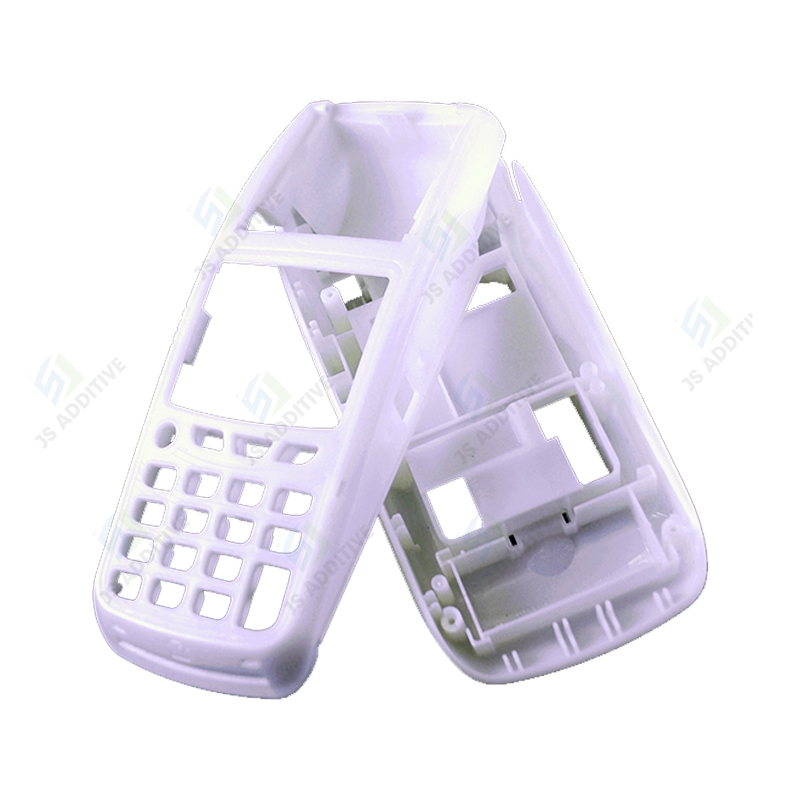
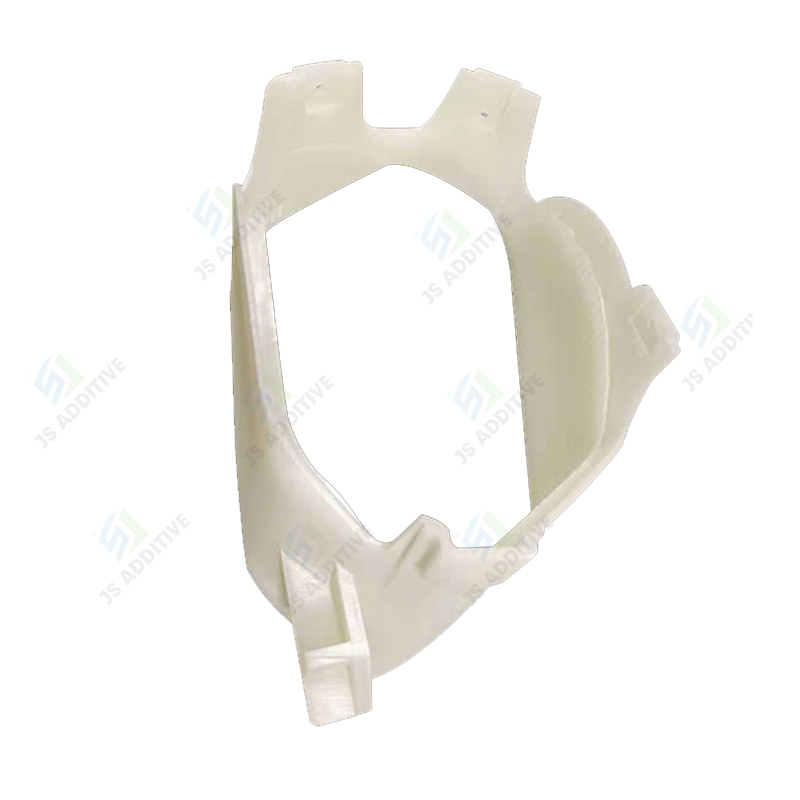
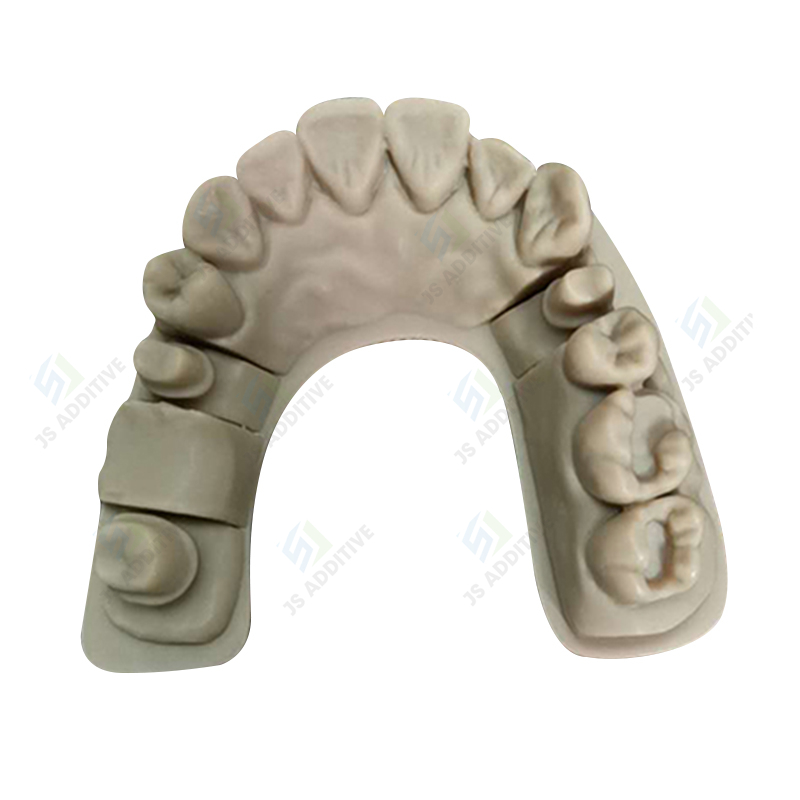
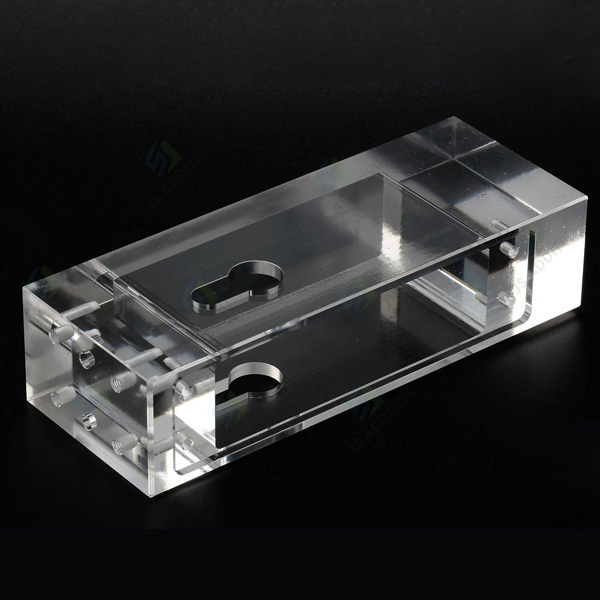
SLA material features: high precision, smooth surfaces, large dimensions
1. Cationic polymerisation mechanism or hybrid photopolymerisation mechanism
2. Low volume shrinkage and low material deform...
The global manufacturing landscape is undergoing a profound transformation, driven in large part by advances in 3D printing technology. Traditional manufacturing models often rely on extensive stoc...
3D printing technology, also known as additive manufacturing, has dramatically evolved since its inception in the early 1980s. Initially developed for rapid prototyping, it allowed engineers and de...
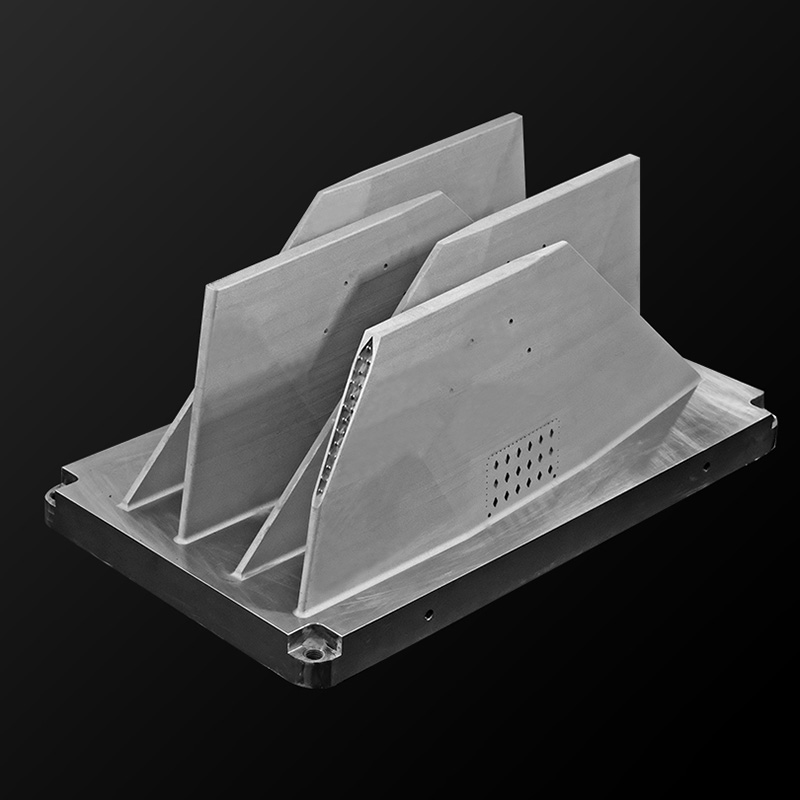
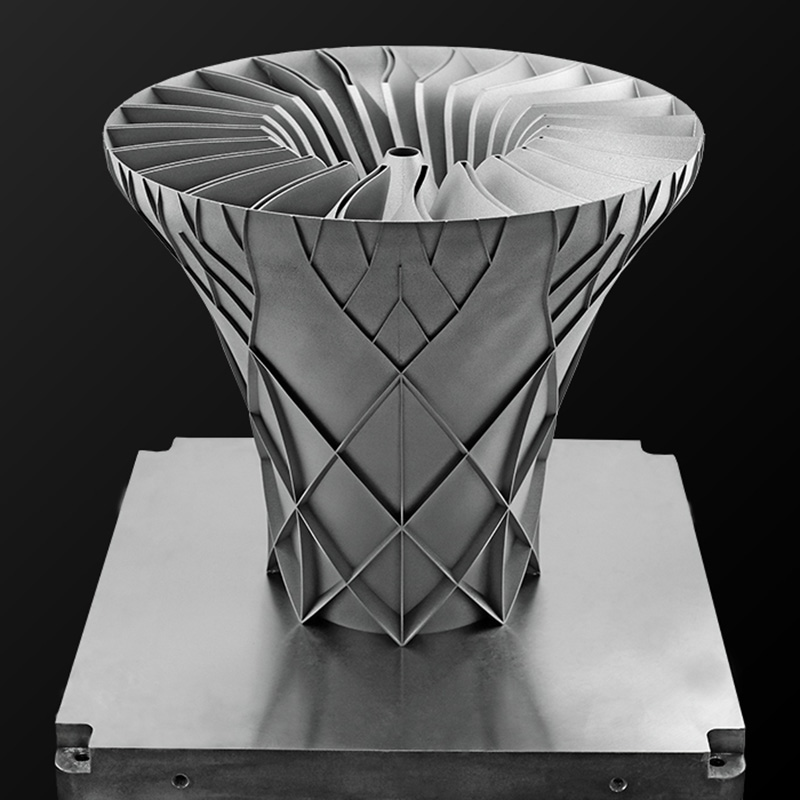
According to experience, factors which influencing SLM moldingquality can be divided into 6 categories, including: Material (ingredient, loose pack density, shape, particle size distribution, fluid...
3D printing, also known as additive manufacturing, can be printed layer by layer through preset programs, digital models, powder spraying, etc., and finally obtain high-precision three-dimensional ...