
1. The Rise of 3D Printed Footwear
The footwear industry is experiencing a remarkable transformation as 3D printing technology continues to reshape product design and manufacturing. Among the latest innovations attracting worldwide attention are 3D printed slippers, which combine lightweight comfort, customized design, and advanced manufacturing techniques.
Unlike conventional slippers produced through injection molding, 3D printed slippers are manufactured directly from 3D files, eliminating the need for expensive molds and allowing designers to create highly intricate lattice structures that improve both flexibility and cushioning. This manufacturing approach enables faster product development while providing consumers with unique designs that were previously impossible to produce.
As personalization becomes increasingly important, 3D printed slippers are emerging as a modern solution for people seeking both comfort and individuality.
2. Innovative Design Meets Everyday Comfort
One of the biggest advantages of 3D printed slippers is their innovative structural design. Rather than relying on traditional solid foam materials, many modern slippers feature engineered lattice or mesh interiors that distribute pressure more evenly across the foot.
This optimized geometry offers several important benefits:
- Lightweight construction for all-day comfort
- Excellent cushioning and shock absorption
- Improved flexibility for natural movement
- Enhanced breathability through open-cell structures
- Modern aesthetic with distinctive geometric patterns
Because additive manufacturing allows designers to optimize every section of the slipper independently, areas requiring additional support can be reinforced while maintaining flexibility where needed. This balance creates a comfortable wearing experience suitable for both indoor and casual outdoor use.
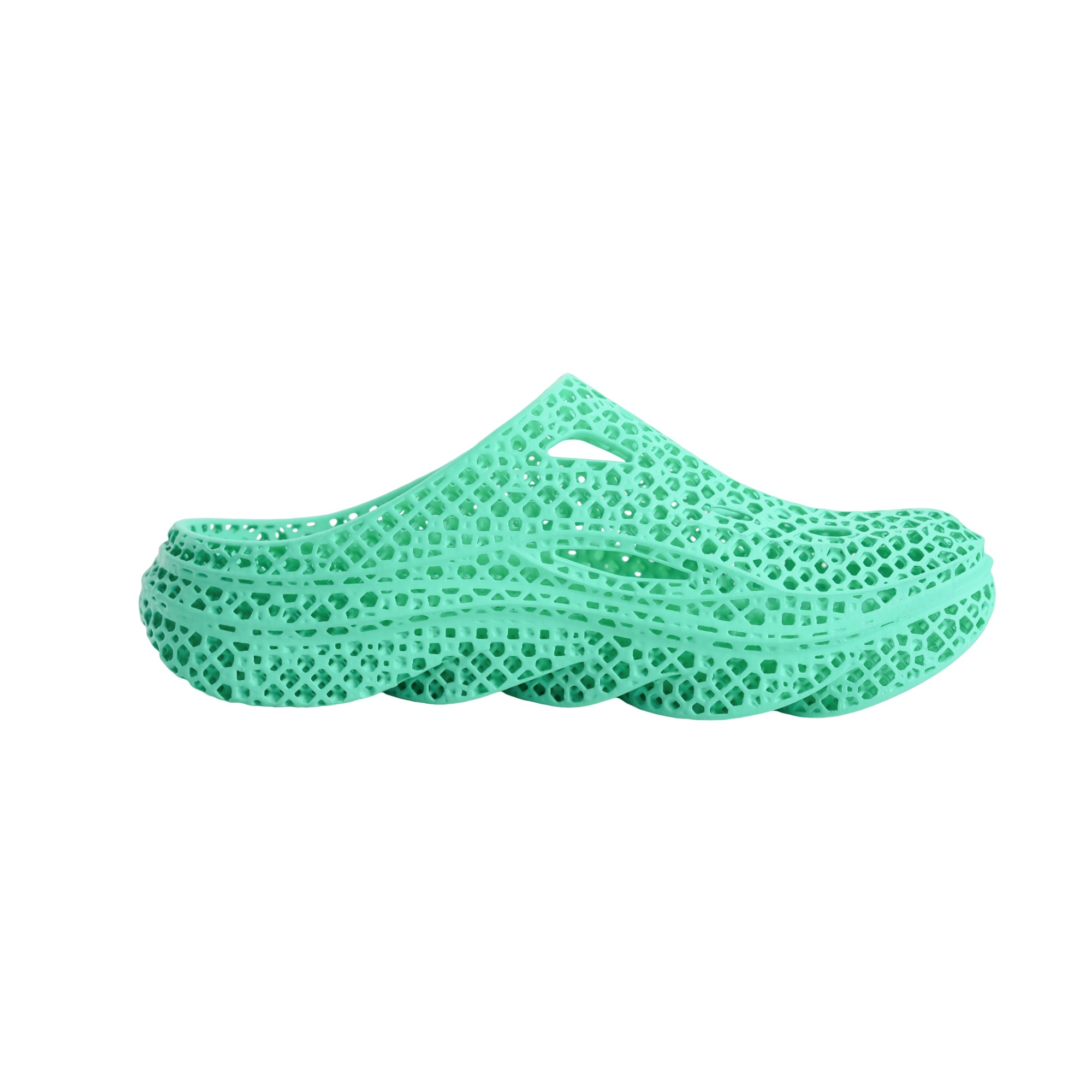
In addition to comfort, the visually striking lattice structures have become a defining characteristic of 3D printed footwear, making these slippers popular among consumers who appreciate innovative design.
3. Why 3D Printing Is Changing Footwear Manufacturing
Traditional footwear manufacturing often requires multiple production steps, specialized tooling, and significant investment in molds before mass production can begin. These factors increase development costs and limit design flexibility.
3D printing addresses these challenges by producing slippers directly from digital designs.
Some key manufacturing advantages include:
- No mold investment required
- Rapid prototyping and design validation
- Easy modification of 3D files
- Efficient low-volume manufacturing
- Reduced material waste
- Shorter product development cycles
Designers can quickly test different sole patterns, cushioning structures, and ergonomic improvements without rebuilding production tools. This flexibility significantly accelerates innovation while reducing development risks.
For startups and footwear brands introducing new products, additive manufacturing offers an efficient pathway from concept to market.
4. Expanding Applications Across the Footwear Industry
The growing popularity of 3D printed slippers demonstrates the broader potential of additive manufacturing within the footwear industry.
Today, 3D printing supports applications including:
- Product concept development
- Functional prototypes
- Ergonomic testing
- Customized footwear
- Fashion collections
- Limited-edition products
- Personalized gifts
- Small-batch manufacturing
Manufacturers can easily produce different sizes, colors, and design variations without changing production equipment. This flexibility is especially valuable for businesses responding to rapidly changing market trends or offering customized products.
As material technology continues to improve, modern flexible polymers provide excellent durability, elasticity, and long-term performance, making 3D printed slippers increasingly practical for everyday use.
5. The Future of Comfortable, Customized Footwear
Consumer expectations are evolving beyond simple functionality. Today’s buyers are looking for products that combine comfort, sustainability, innovation, and personal expression.
3D printed slippers represent this new direction in footwear manufacturing by integrating digital design with advanced production technology. Complex geometries, lightweight construction, and customizable features allow brands to create products tailored to individual preferences while shortening development cycles.
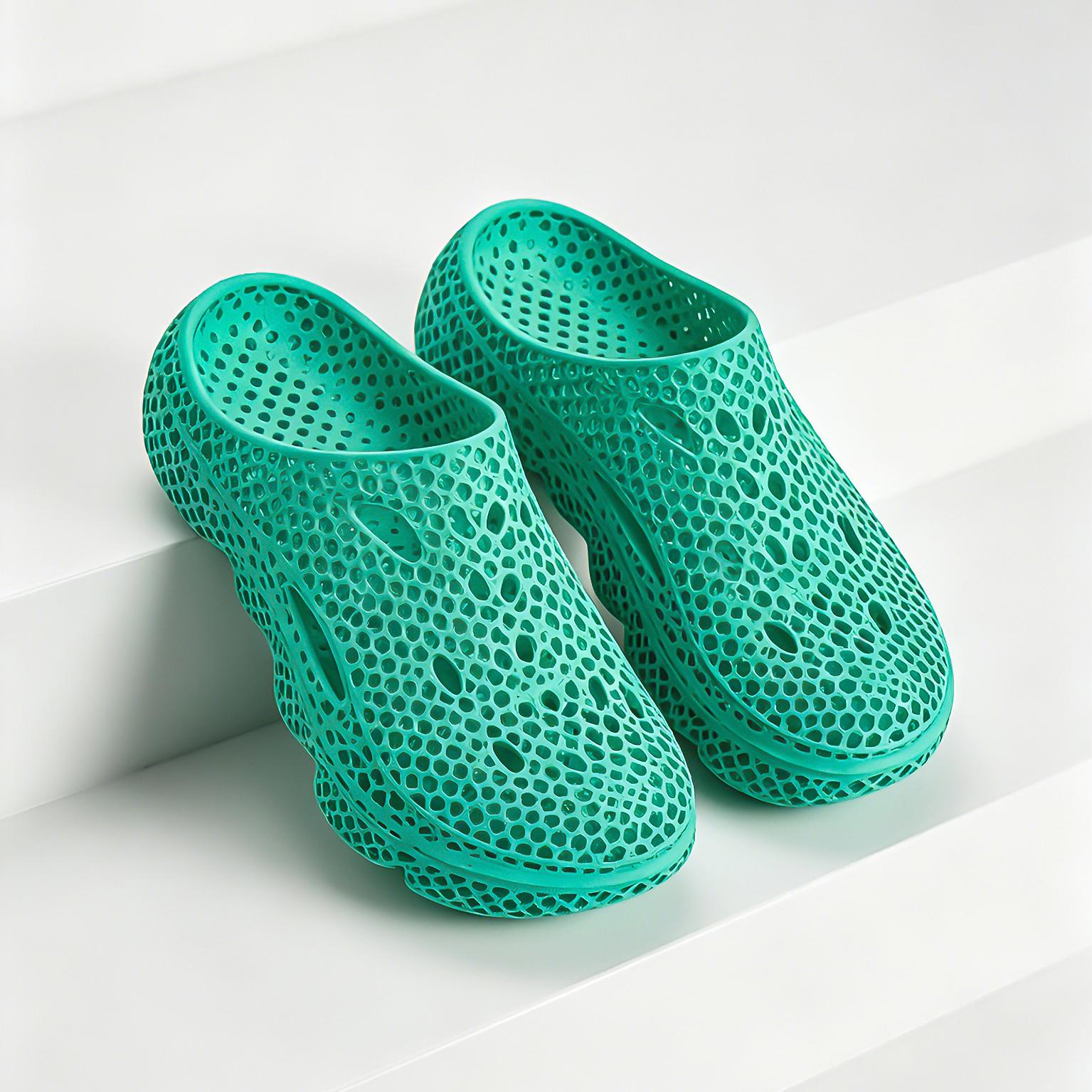
As additive manufacturing continues to advance, we can expect even greater improvements in material performance, printing speed, and production efficiency. These innovations will make customized footwear more accessible to consumers around the world.
For businesses exploring next-generation footwear development, professional 3D printing services provide an ideal solution for rapid prototyping, product validation, and low-volume manufacturing. Whether developing innovative slipper designs or bringing entirely new footwear concepts to life, additive manufacturing is opening exciting opportunities for designers, brands, and manufacturers alike.


